A paid subscription gives you access to a streaming service, but it does not automatically answer whether every way of saving a title is permitted under United States law or the service’s terms. In short, official offline downloads are the simplest starting point when they fit your plan and device; this Audials vs StreamFab comparison then helps you weigh a recording workflow against a desktop local-file workflow for personal offline viewing.
- Starting point: Use a service’s native offline feature first when it meets your plan and device needs
- Audials workflow: Windows-focused screen recording; recording time generally follows the title’s runtime
- StreamFab workflow: Windows and Mac desktop local-file workflow for authorized use on supported services
Product details in this comparison are current as of August 2026.
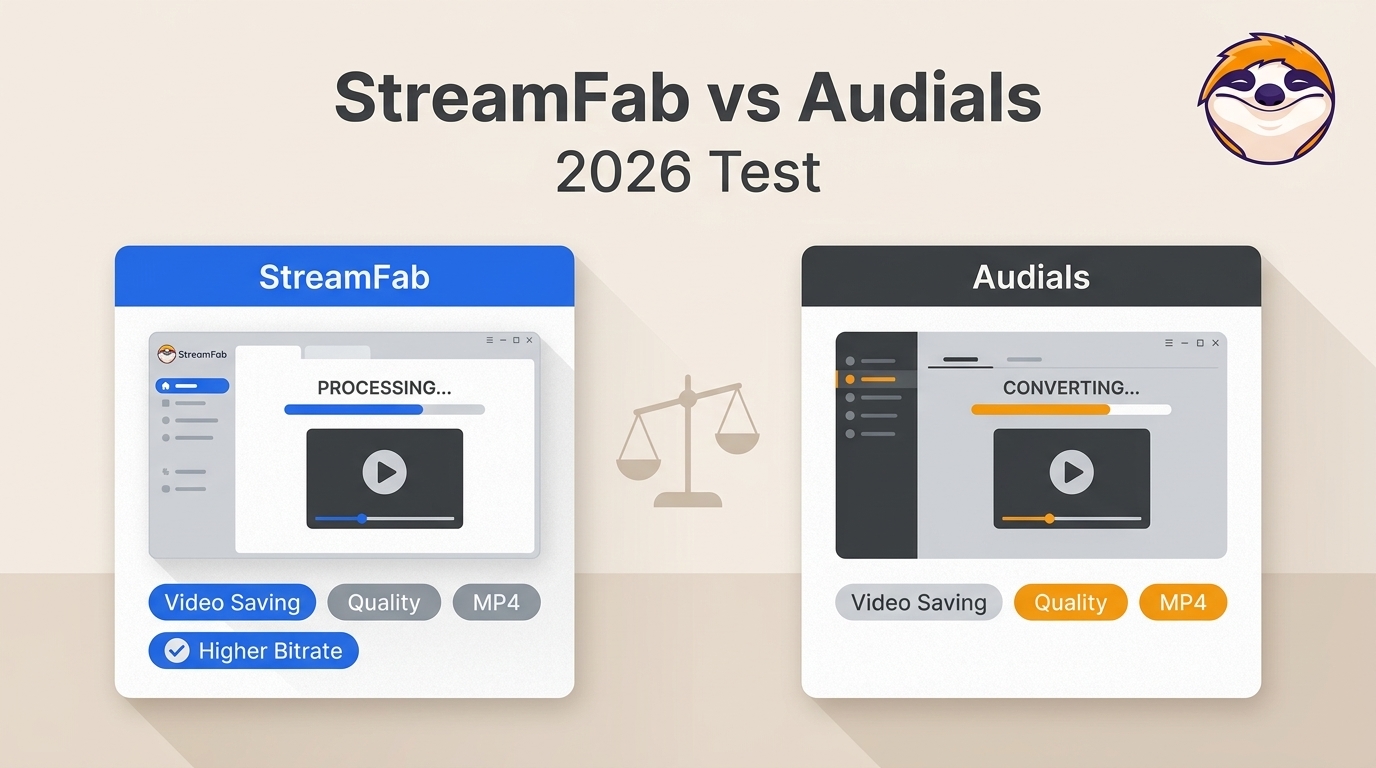
- A subscription, platform terms, copyright rules, and access-control rules are separate questions.
- The practical comparison is operating system, recording versus local-file workflow, media handling, and trial fit.
Audials and StreamFab serve different workflows. The useful question is whether official offline downloads, real-time recording, or a desktop local-file workflow best fits your authorized use.
Is StreamFab Legal in the United States?
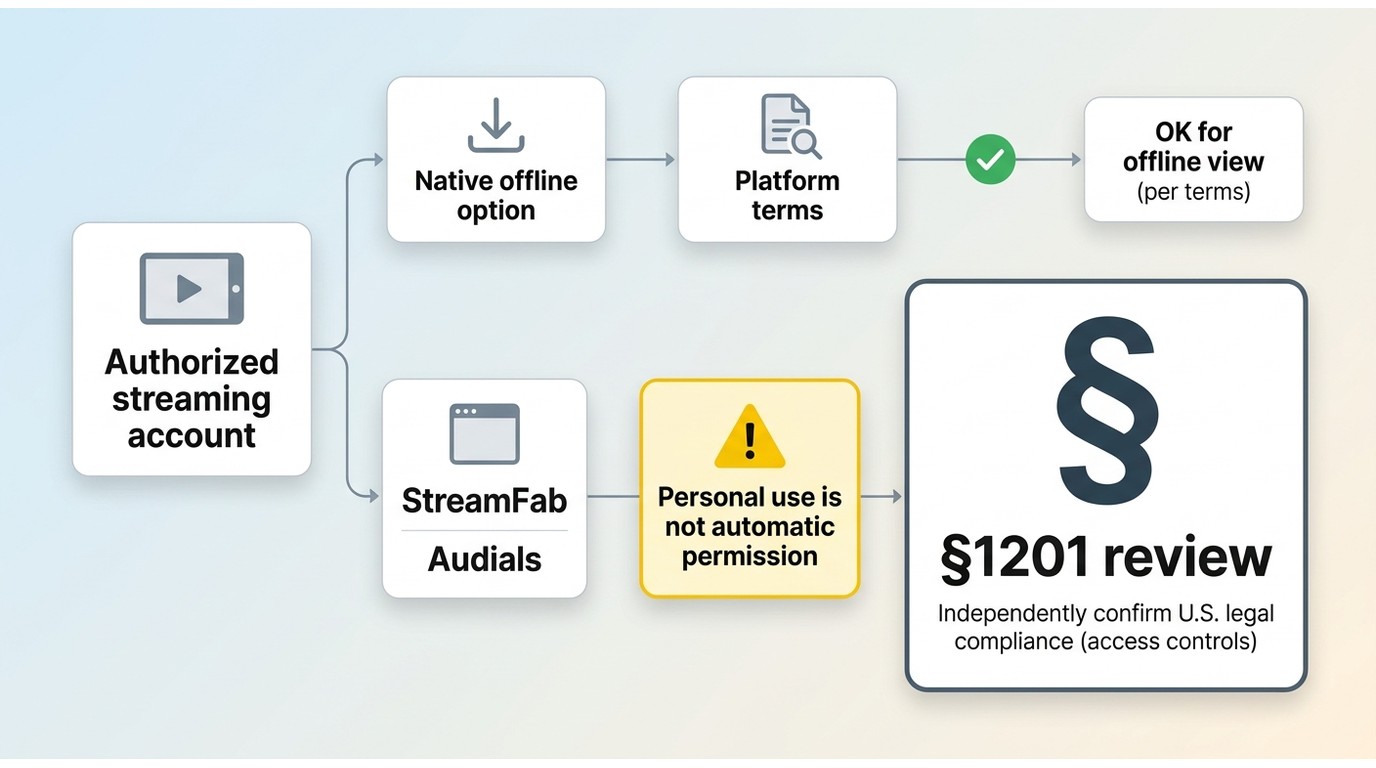
Legality depends on the specific use, authorization, applicable copyright law, access-control rules, available exemptions, and the streaming service’s terms. Owning software or paying for a subscription does not automatically authorize every method of saving a stream.
What §1201 Means for Personal Use
In the United States, a personal-use purpose is not a blanket exception under 17 U.S.C. § 1201. A careful decision separates what your subscription lets you watch, what the service’s terms allow, and what copyright and access-control rules may apply to a particular workflow.
| Generally lower-risk or authorized situations | Higher-risk or prohibited situations |
|---|---|
| Using a native offline feature included with your plan | Sharing or selling saved copies |
| Viewing content through an active, authorized account | Using someone else’s account without authorization |
| Following platform terms and applicable local rules | Ignoring platform restrictions or copyright conditions |
| Keeping use limited to personal offline viewing where permitted | Using saved content for public or commercial purposes |
17 U.S.C. § 1201 is available through Cornell Law School’s Legal Information Institute, as of August 2026.
Legal permission is also different from privacy and account-risk questions, including account metadata, repeated logins, and provider enforcement. Readers weighing those concerns can review what is StreamFab safe means in practice before choosing a workflow.
Official Offline Options Come First
When a streaming service offers a native offline feature for your plan and device, that platform-native option is the lower-friction place to start. I’d choose it whenever it covers the trip, commute, or temporary offline need at hand, because it stays inside the service’s intended viewing path.
For content you’re authorized to access, where permitted by platform terms and applicable law, a desktop local-file workflow can be relevant when native downloads do not fit the device or viewing situation. It is not a replacement for confirming what your subscription and the service terms allow.
Features of Audials: A Screen Recorder for Streaming Services
Audials One uses a screen-recording workflow for streaming video and is focused on Windows. That makes it a reasonable fit for Windows users who prefer recording, but not for readers who need a native Mac app or low-CPU background work.
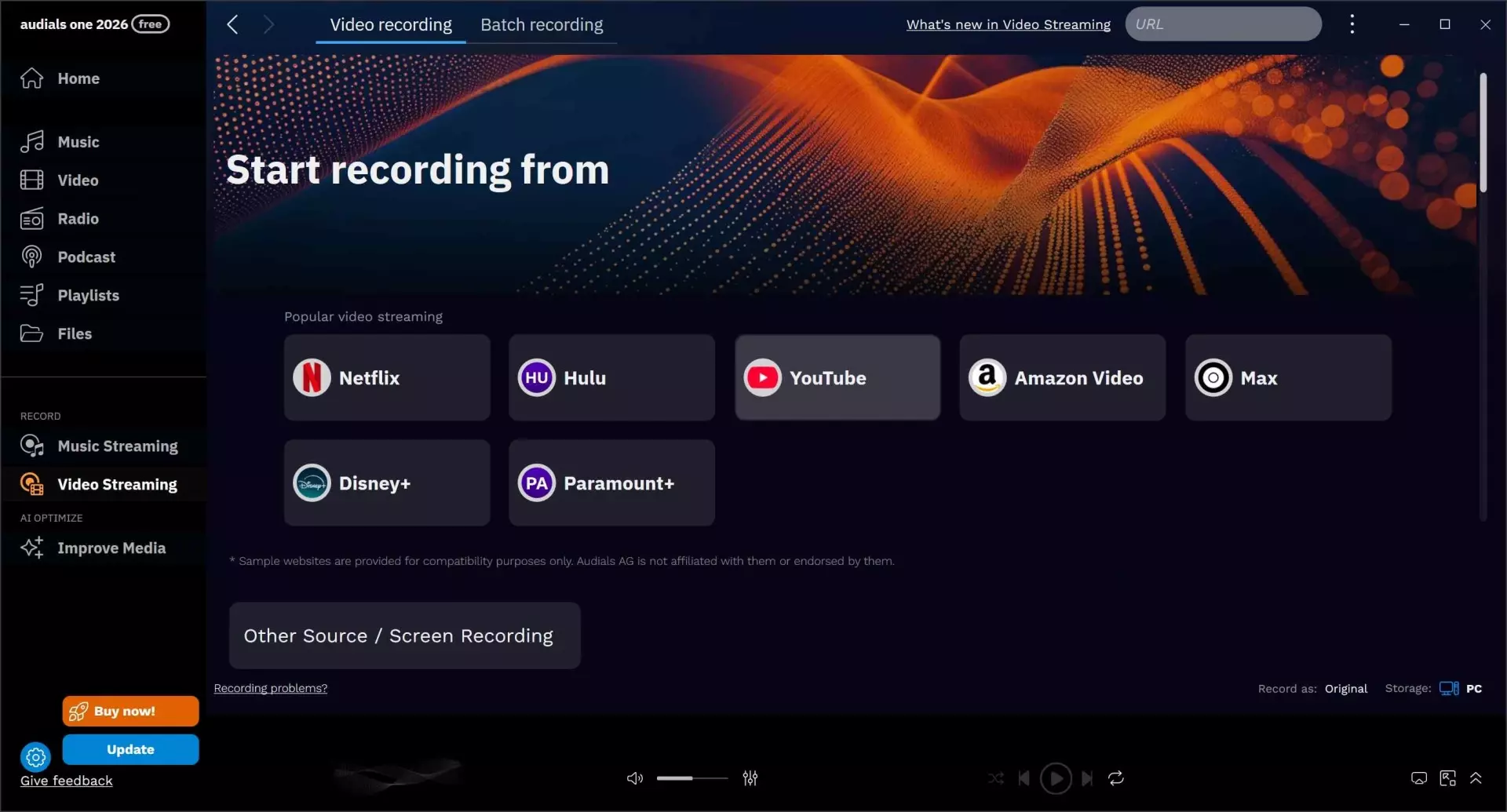
Ad handling during recording can vary by service and title. For Windows users who need occasional recordings from supported platforms, Audials covers a straightforward recording workflow; the fuller Audials review discusses its recording-specific tools and limitations.
Because Audials records playback rather than working from a local-file queue, the result can depend on playback conditions and recording settings. That tradeoff matters most when you care about consistent handling of video, audio, subtitles, or long recordings.

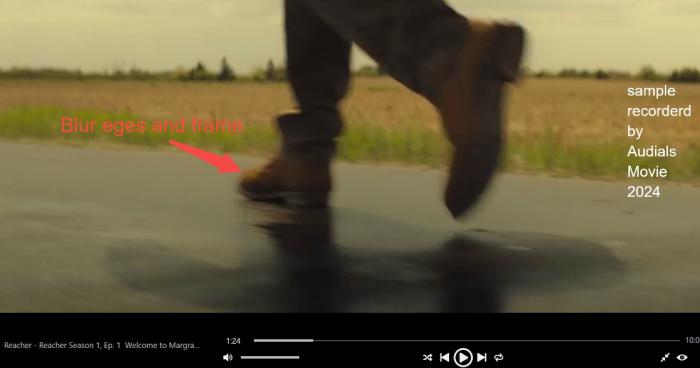
CPU load is another practical consideration with screen recording. On a less powerful PC, recording may leave fewer resources for other applications; readers troubleshooting recording issues can look at common Audials not working causes.

Features of StreamFab: A Video Downloader for Personal Offline Viewing
For content you’re authorized to access, where permitted by platform terms and applicable law, StreamFab offers a desktop local-file workflow for personal offline viewing on supported services. It is available for Windows and Mac users.
The workflow supports MP4 or MKV output, with video and audio handling determined by the service and your plan. Batch and scheduled queues can suit readers managing multiple authorized titles, while a platform’s built-in offline mode remains the better fit for anyone whose needs are already covered there or who cannot confirm that their intended use is permitted.

Your ultimate choice to download videos from Netflix, Amazon Prime, Hulu, YouTube and other sites.
- 60+ OTT services & 1000+ sites supported
- Windows and Mac desktop workflow
- MP4 or MKV output
- Batch and scheduled queues for supported services
Use this workflow only for content you are authorized to access, where platform terms and applicable law permit it.

Audials vs StreamFab: Which Is Better for Saving Videos?
Neither product is a universal winner. The useful comparison is whether your operating system, preferred workflow, supported service, and permitted use point to real-time recording, a desktop local-file workflow, or the platform’s own offline feature.
1. Feature Comparison
Here is a side-by-side comparison of how Audials and StreamFab handle video saving:
| — | StreamFab | Audials One 2026 |
|---|---|---|
| Saving method | Desktop local-file workflow | Screen recording |
| Operating systems | Windows and Mac | Windows |
| Video and audio | MP4/MKV; service-dependent handling | Playback recording; settings-dependent |
| Workflow and CPU load | Batch or scheduled queues | Real-time recording; CPU use varies |
| Supported-service fit | Authorized use on supported services | Supported Windows recording workflow |
| Trial and value fit | 30 days; 3 videos per service | 10-minute trial recordings |
| Note | Product details as of August 2026 | Product details as of August 2026 |
The table captures workflow differences rather than naming a universal winner.
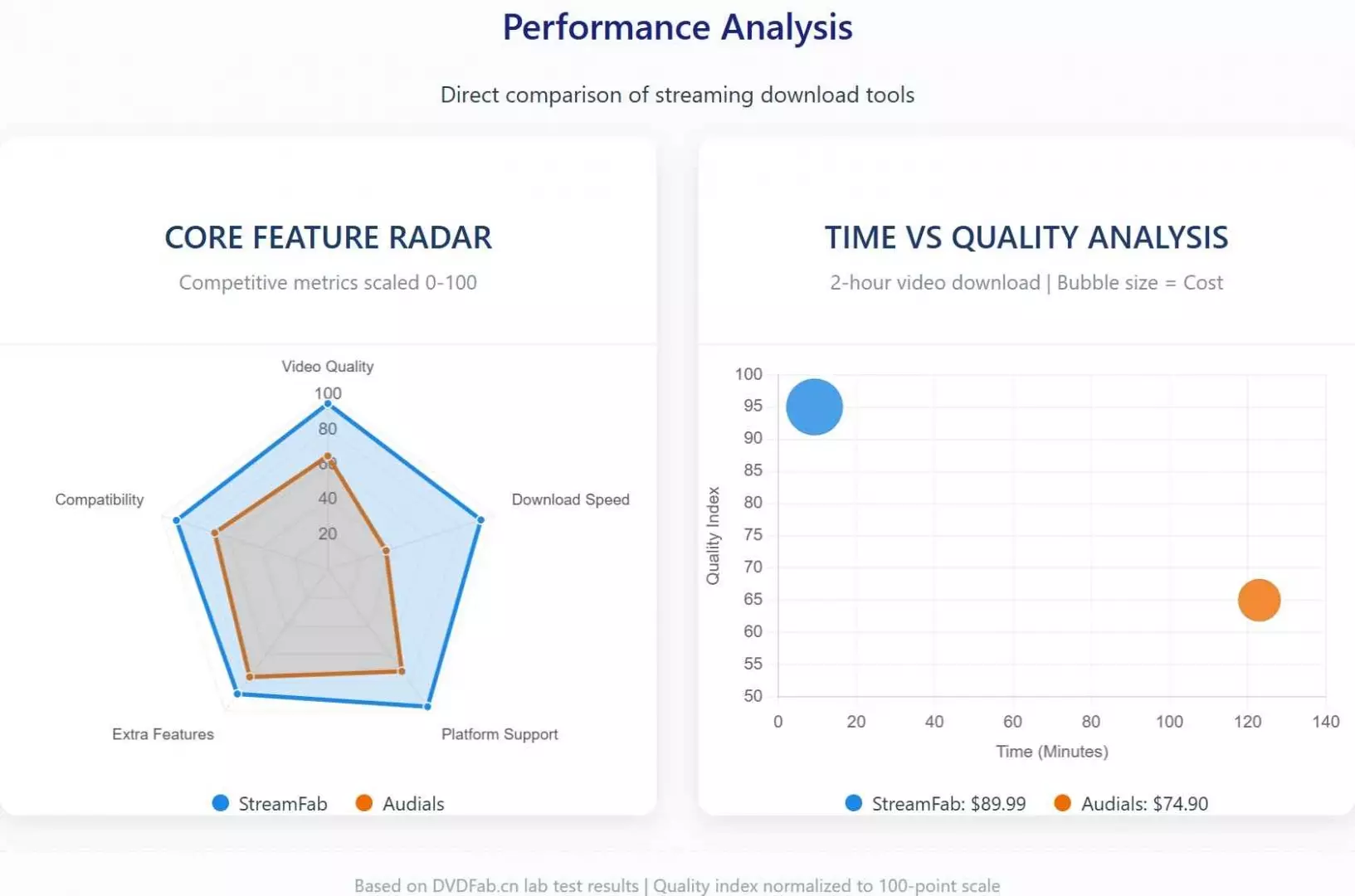
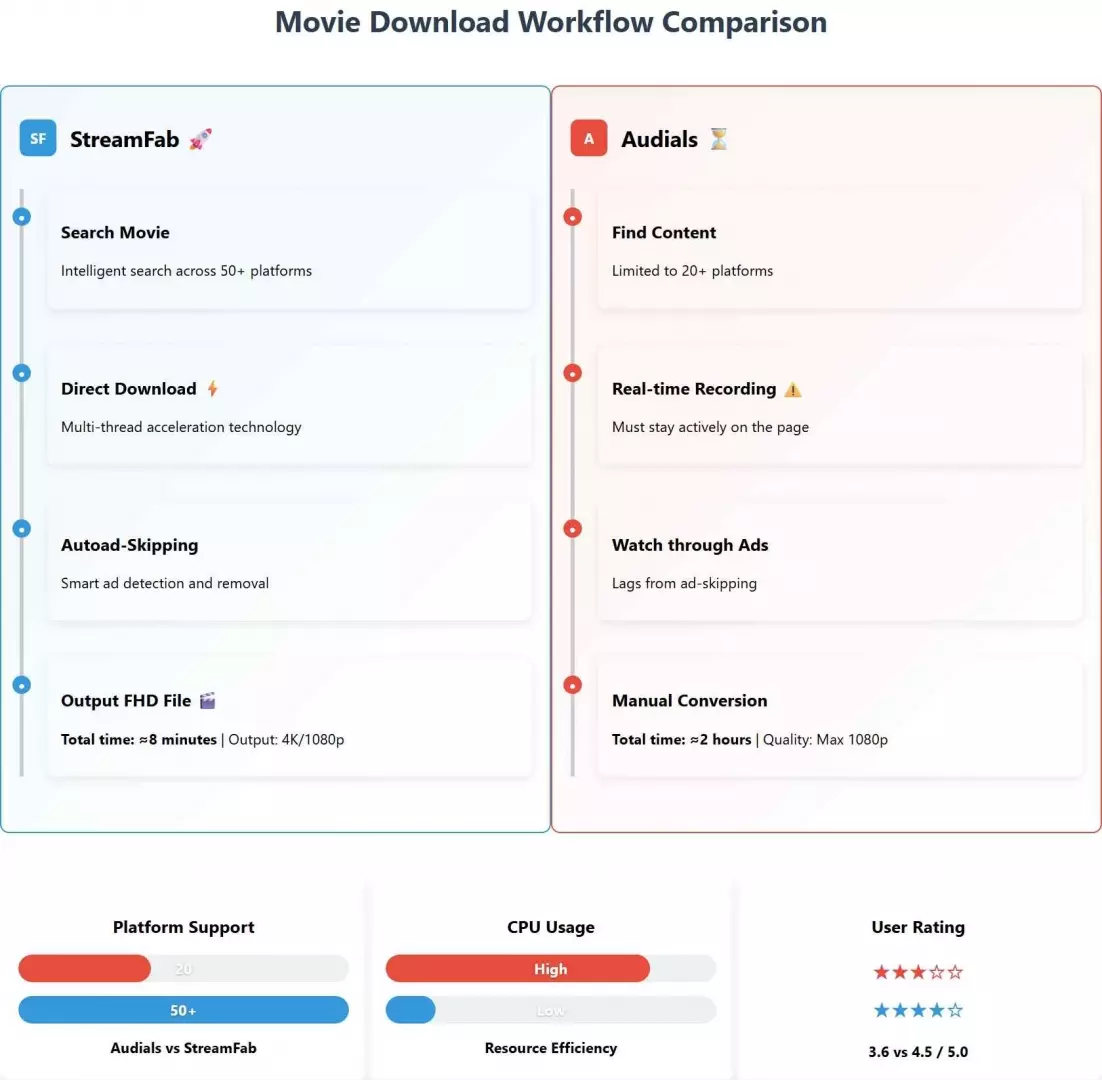
The radar chart and time-vs-quality analysis below illustrate the performance difference more visually:
2. Efficiency Comparison
Audials records in real time, so longer titles generally require longer recording sessions. Recording conditions and CPU load can affect how comfortably you can use other applications at the same time.
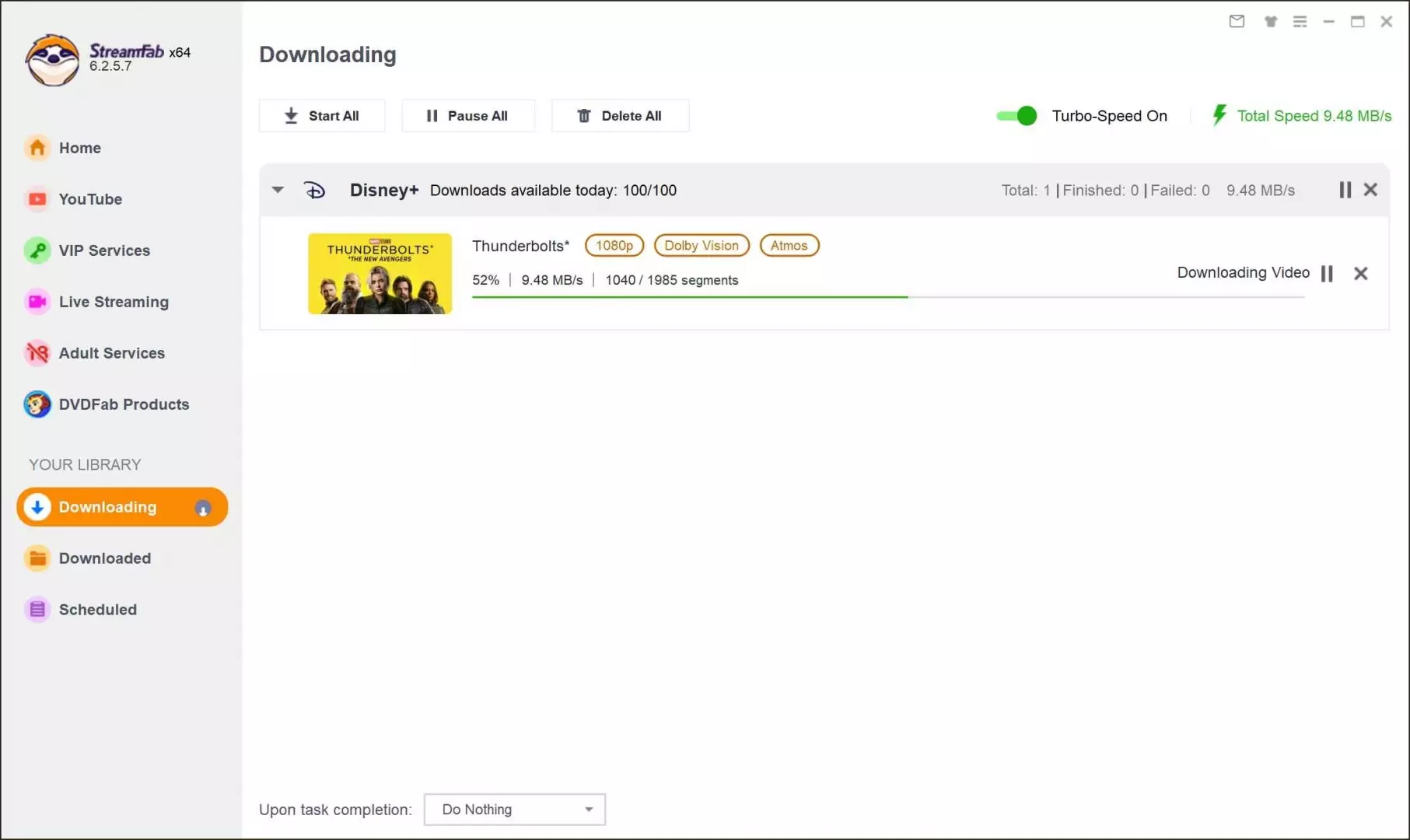
StreamFab uses queues rather than a real-time recording session, so save time varies with the service, title, network conditions, and workflow. I’d accept real-time recording for an occasional Windows title, but queue-based saving is more convenient when authorized offline viewing involves several titles or a Mac-based setup.
3. Customer Support
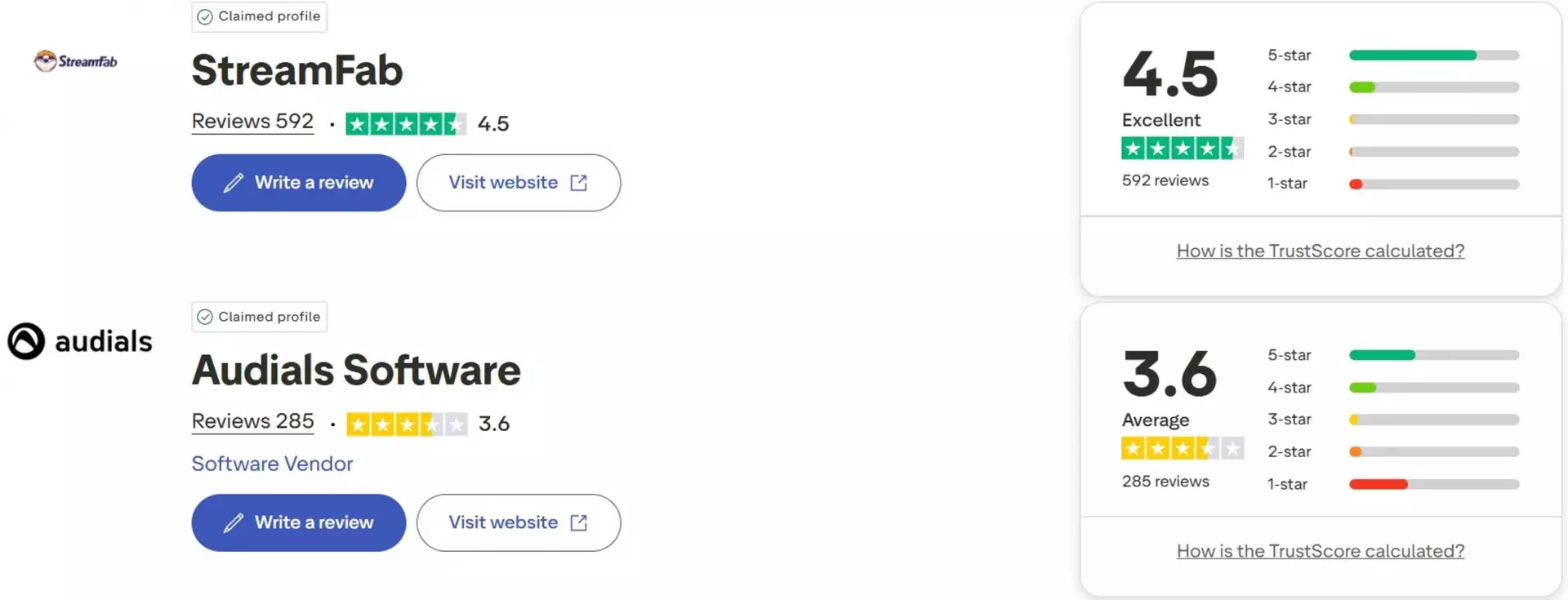
Public reviews can offer anecdotal signals about support experiences, but they do not establish that one team is categorically better. The more practical comparison is which support channel you prefer when you need help.
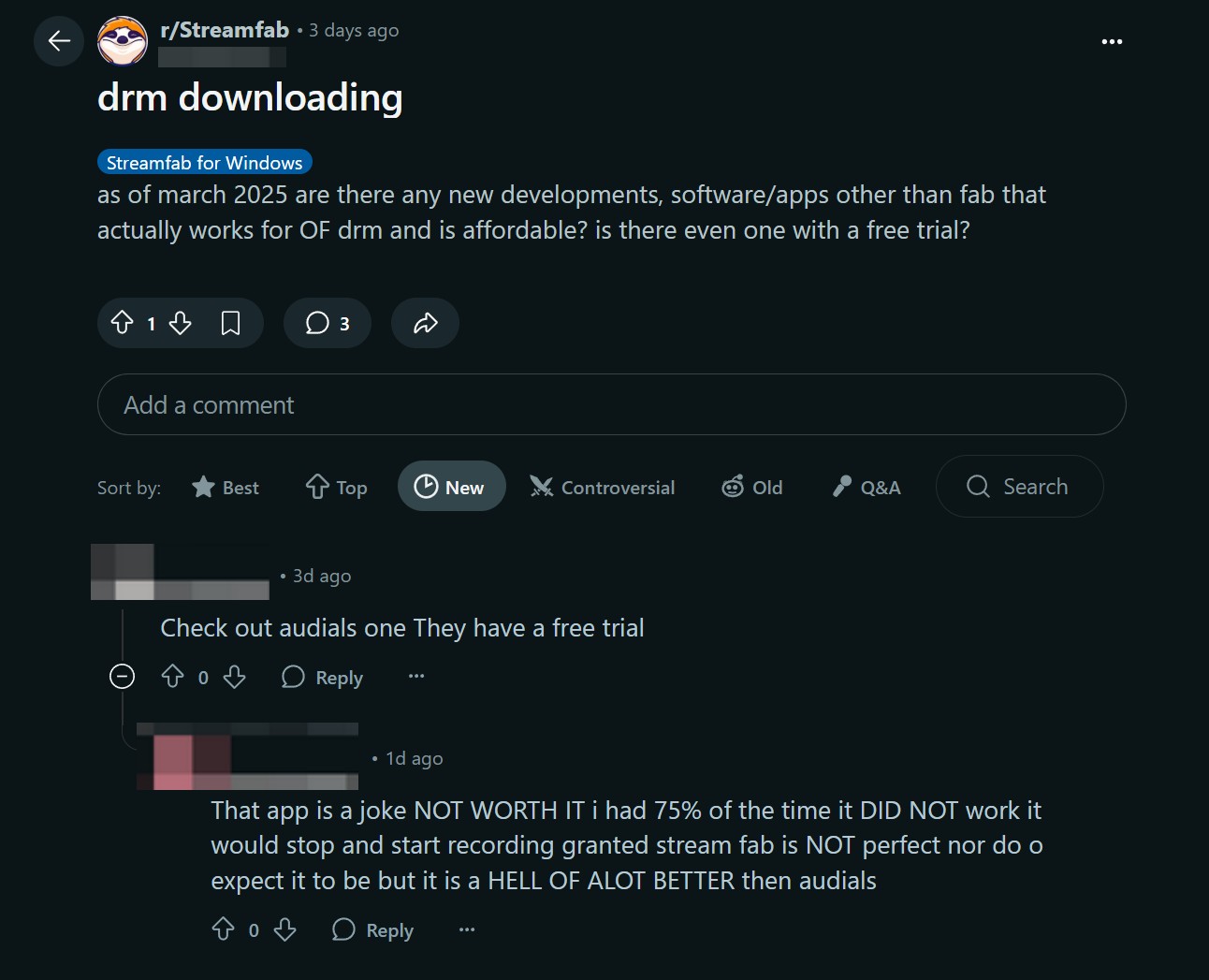
StreamFab offers an official StreamFab community forum for reporting issues, requesting features, and reviewing other users’ questions. A self-service reader may value that public resource, while someone expecting direct assistance should compare the current support channels before choosing either product.
4. Ease of Use
Learning how to use StreamFab does not take long — its built-in browser guides you to the right path automatically once you navigate to a supported service. Audials has a clear interface as well, but some users find certain options use overly technical terminology that can be confusing at first.
Frequently Asked Questions
Here are answers to common questions about Audials and StreamFab.
2. Which tool is the better fit for a Mac-based workflow?
For a Mac-based workflow, StreamFab is the more relevant of these two products because it supports Mac, while Audials is Windows-focused. That does not make it the right choice for every situation: use a platform’s native offline feature when it already meets your authorized viewing needs.
3. Can account metadata reveal which account saved a file?
Metadata, account visibility, and provider enforcement are privacy and account-risk questions, not proof that a particular use is authorized. The practical step is to review the service terms and understand the privacy implications of the workflow you are considering.
4. Is a StreamFab license warning the same as a copyright warning?
No. A software license-validation message concerns the product license or account status, while a streaming-service notice or copyright claim concerns a different issue. Treat a license warning as a product-support matter and use official support channels to resolve it.
Conclusion
The practical choice depends on your operating system, workflow, service support, and permitted use. StreamFab is best for authorized Windows or Mac local-file workflows across supported services, while Audials is best for Windows users who prefer real-time recording. Neither is ideal when a platform-native offline option already meets the need.
Audials uses real-time screen recording, while StreamFab uses a desktop local-file workflow for authorized use on supported services. If neither workflow matches your device, service, or permitted-use requirements, the available StreamFab alternatives may offer a better fit.
Disclaimer
This article is for informational purposes only. Personal offline viewing depends on authorization, applicable law, and each streaming service’s terms of use.
Product features, supported platforms, pricing, and trial terms may change.