Table of contents
If you’re trying to record Netflix with OBS, an OBS Netflix black screen often points to protected playback, but the capture source, GPU, permissions, or audio settings can also be responsible. Can OBS record Netflix in your setup? Start by separating those branches before changing settings.
Why Netflix Turns Black in OBS
A black video layer that appears only in an OBS recording, while Netflix plays normally on screen, commonly points to protected playback. That is different from a normal Netflix playback failure, which can involve the device, cable, driver, browser, or app, and it is also different from an OBS source, GPU, or permission problem.
Protected Playback vs. OBS Settings
Netflix’s ordinary black-screen guidance applies when Netflix itself will not play correctly; it is not an official OBS capture workaround. I’d identify which branch you have before trying browser tweaks, because a recording-only black layer and a playback failure need different next steps.
If you’re testing OBS, use this quick high-level workflow to verify your setup:
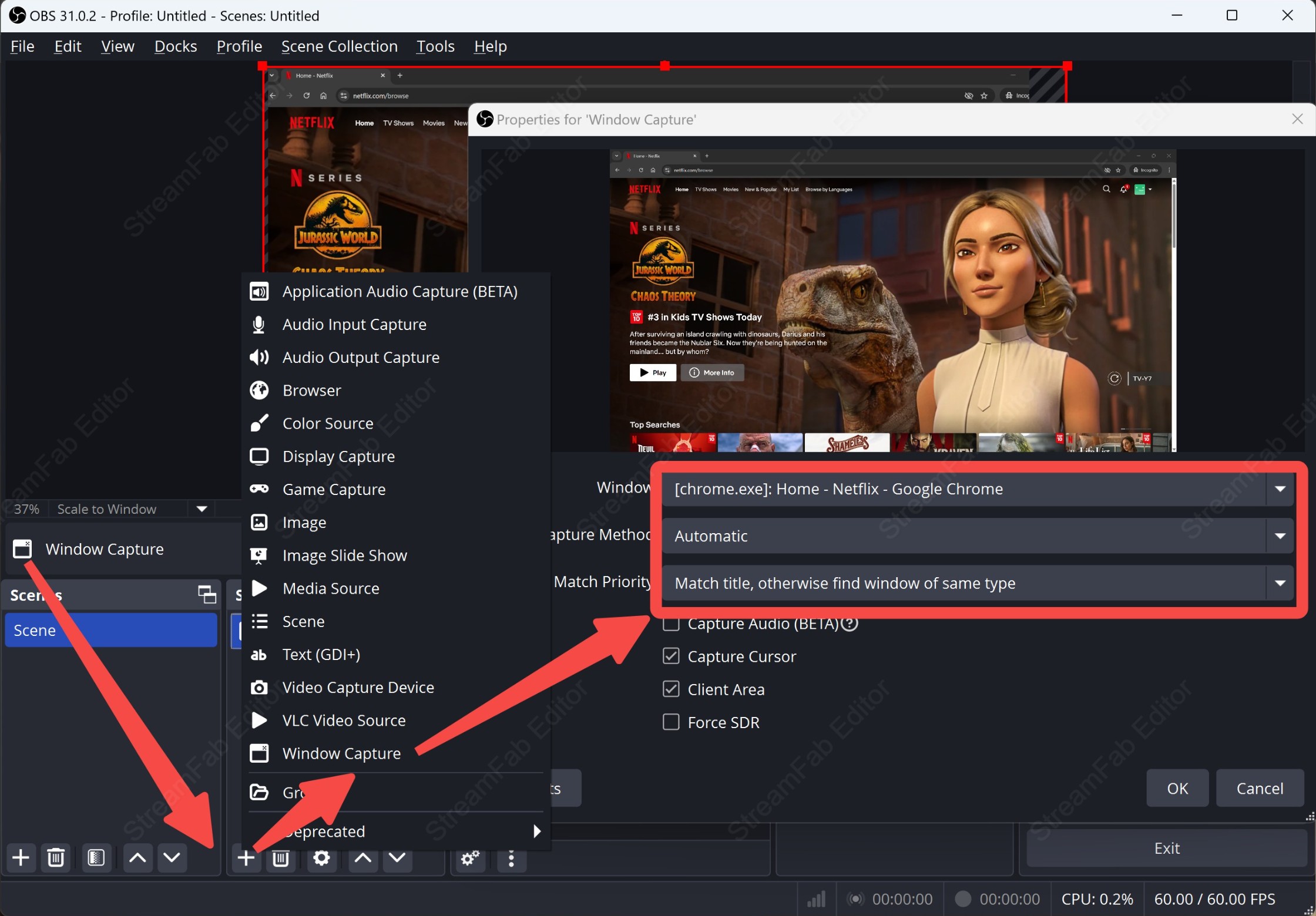
Fire up OBS. Choose your capture type—either Display Capture or Window Capture, depending on your preference.
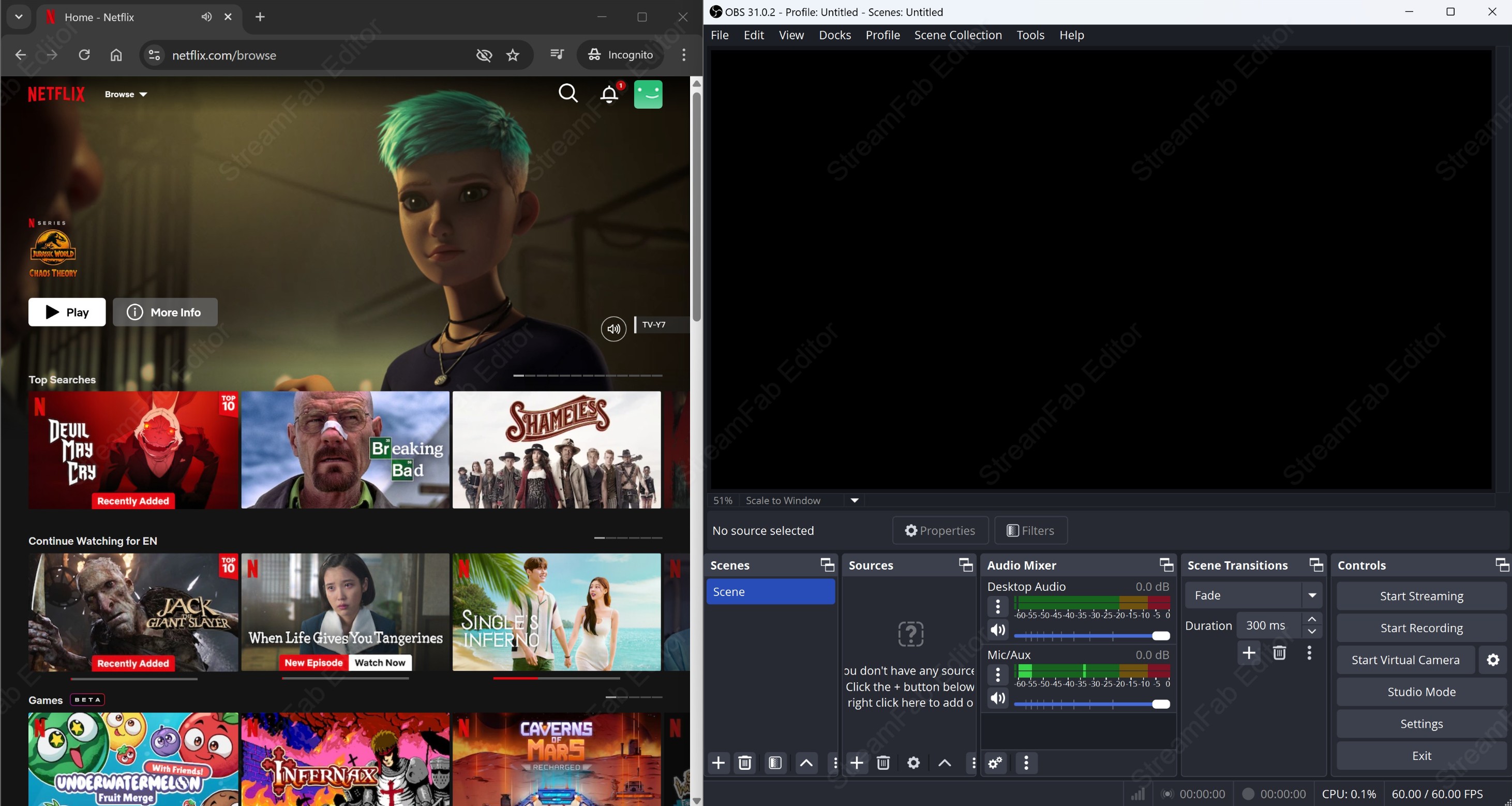
If you're greeted by a black screen, double-check your source settings. Ensuring OBS is targeting the exact browser window is crucial.
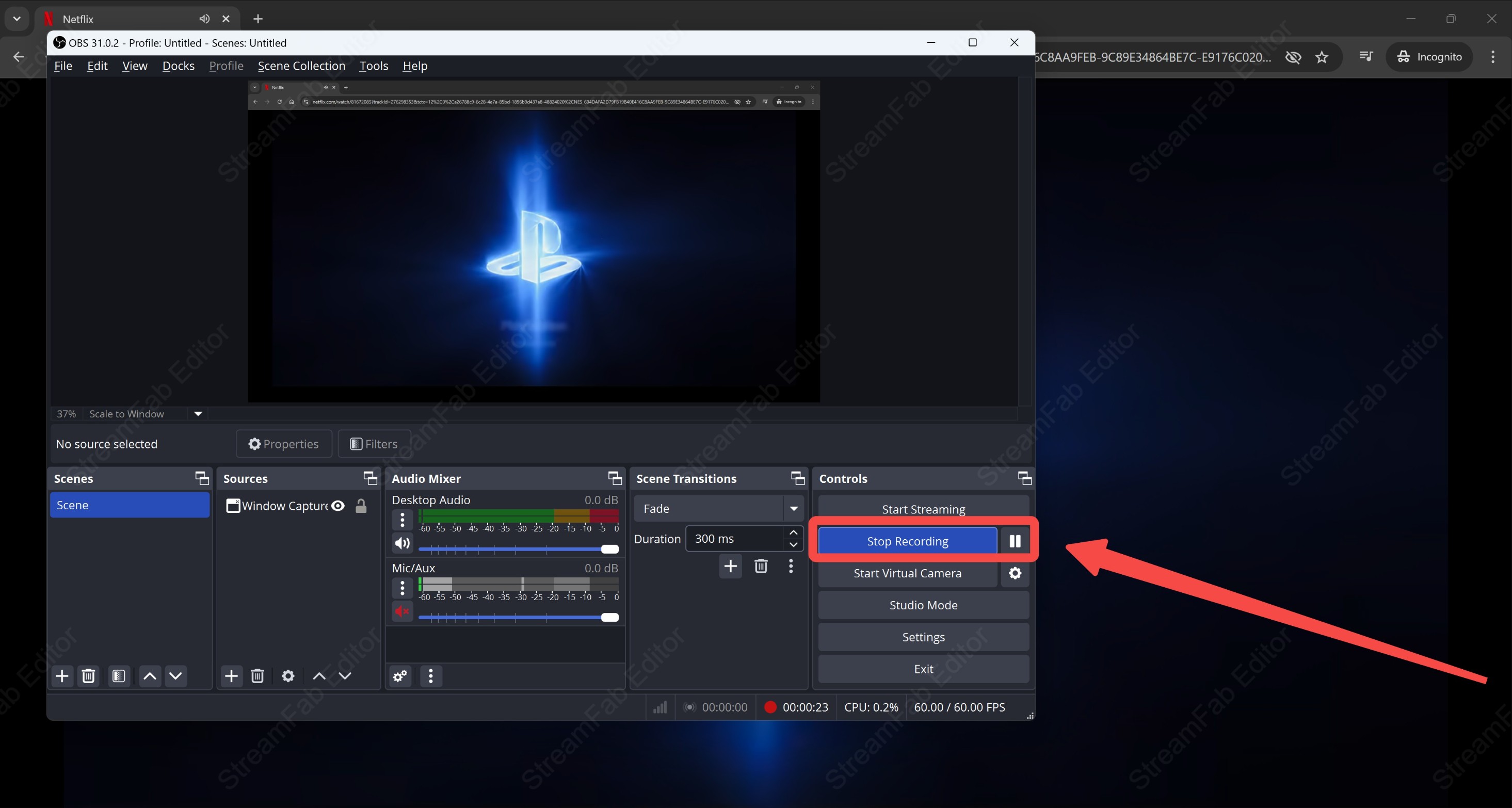
Run a short test recording before diving in for the long haul. Audio sync issues and other weird glitches love to sneak up on you. You'll thank yourself later.

OBS Black Screen Troubleshooting
Before changing OBS settings, check whether Netflix is black during ordinary playback or only in the recording. If playback itself is black, work through Netflix’s device, cable, driver, browser, or app troubleshooting first. If playback is normal but the recording is black, continue with the OBS checks below.
Test Graphics Acceleration Carefully
Hardware acceleration can affect screen capture behavior in some setups, but turning it off is a reversible compatibility test, not a dependable fix. After changing it, restart the browser, record a short sample, and check video and audio separately. Restore the setting if playback becomes laggy, quality drops, audio disappears, or the black screen remains.
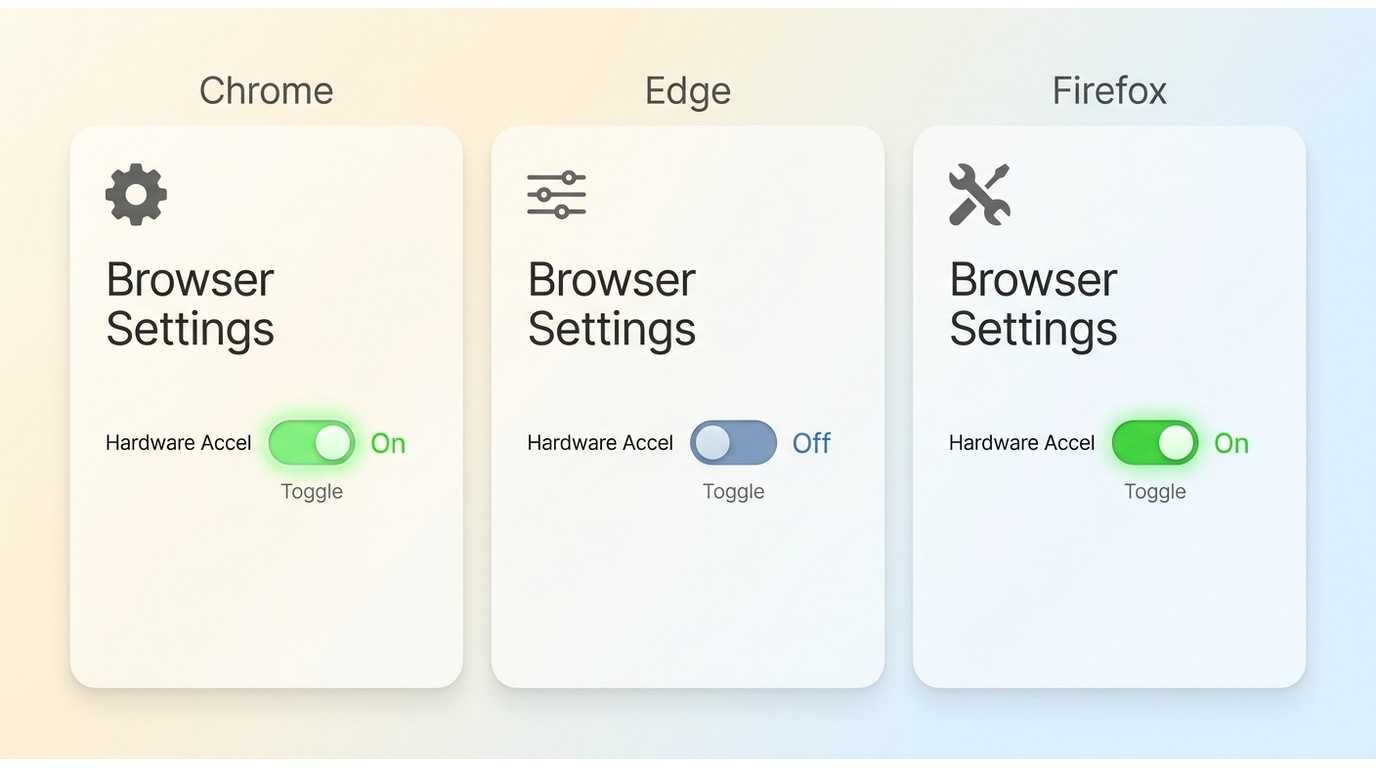
The exact location varies by browser:
-
1. Chrome: Search for "hardware acceleration" in Settings and toggle off "Use graphics acceleration when available" for testing.2. Firefox: Go to Settings, scroll down to Performance, and uncheck "Use recommended performance settings" to disable hardware acceleration.3. Edge: Search for "hardware acceleration" in Settings and toggle off "Use graphics acceleration when available."
Check Capture Source and GPU
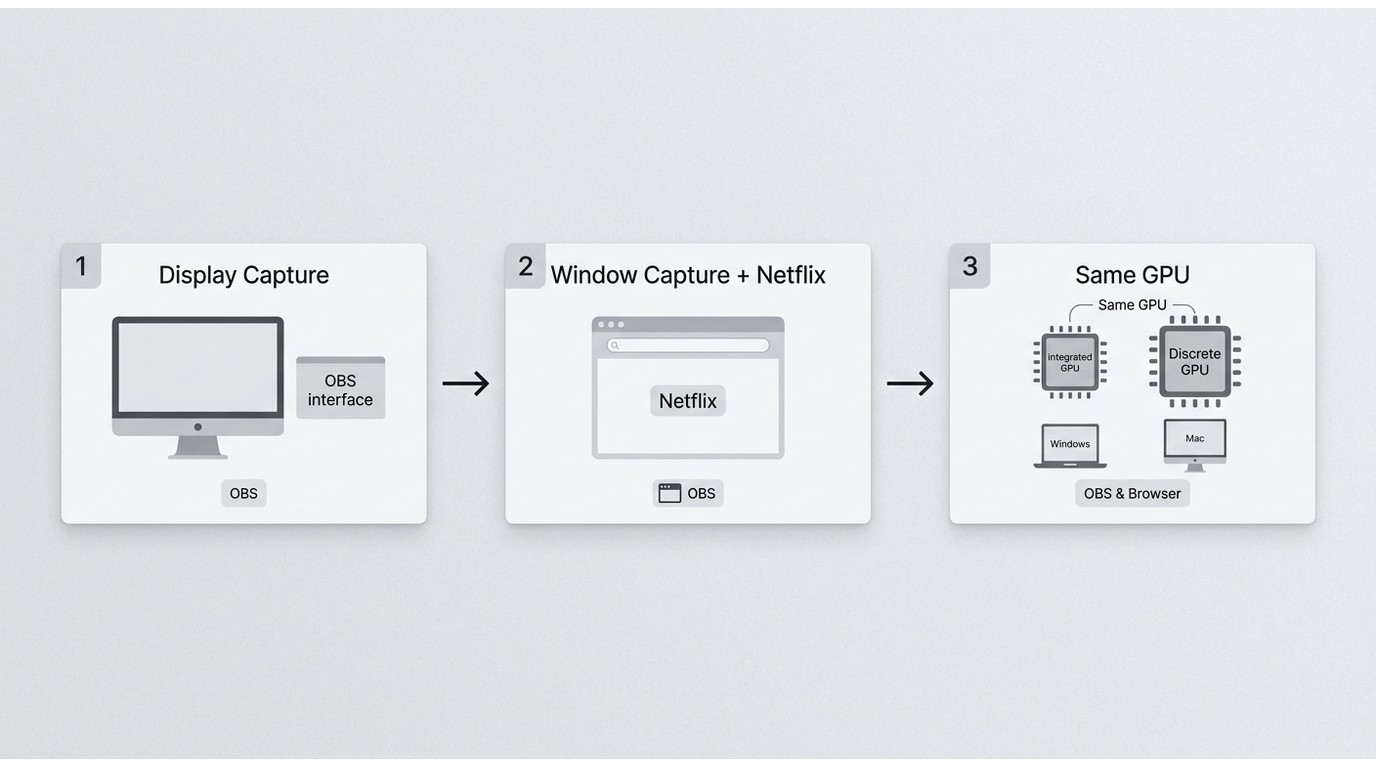
Try the source that matches the symptom. Display Capture records the desktop and can help confirm whether OBS sees the screen at all, while Window Capture targets a specific app window and may behave differently. On Windows laptops with integrated and discrete graphics, OBS and the browser may need to use the same GPU. On Mac, confirm that OBS has Screen Recording permission and that the selected Screen Capture source is the intended display or window.
Fix Missing or Distorted Audio
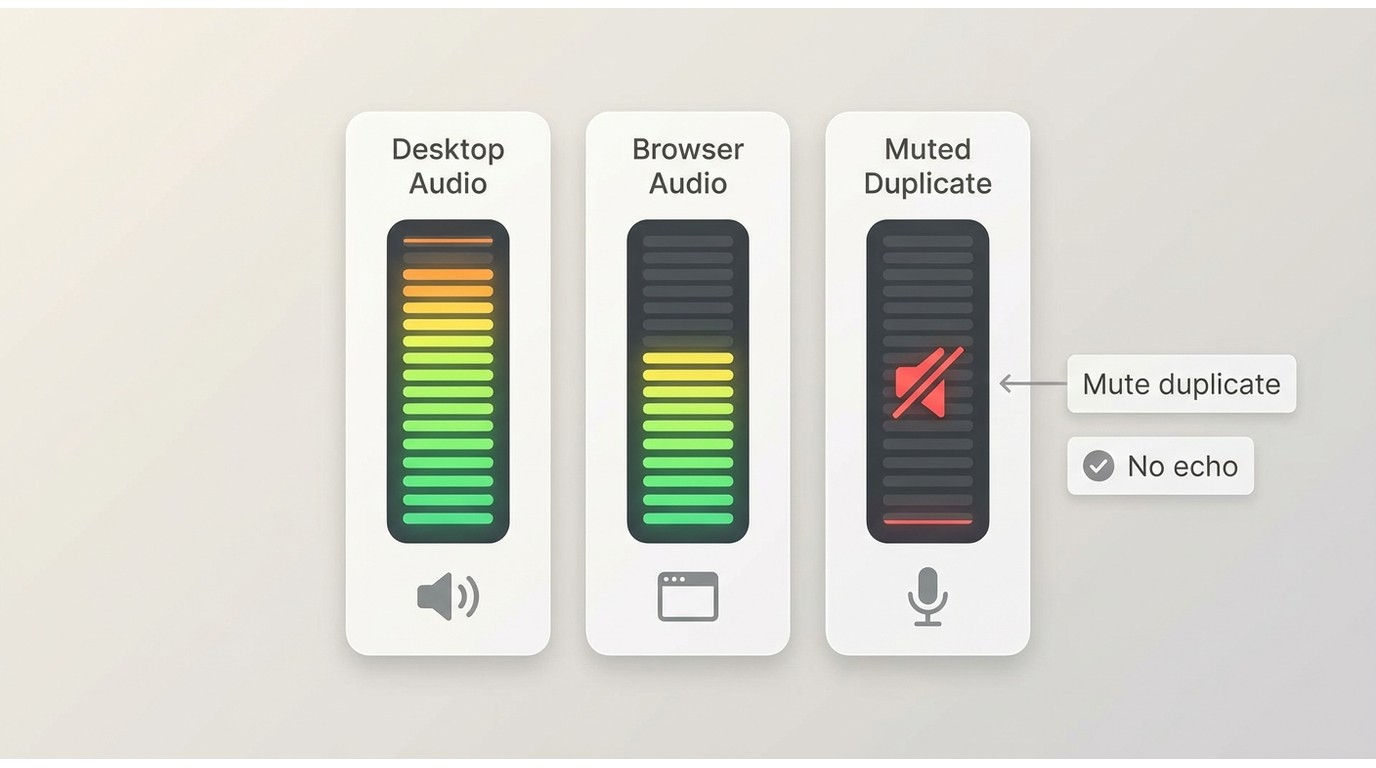
A visible recording can still have no usable sound. Confirm that OBS is receiving the intended desktop or application audio source, mute duplicate sources to prevent echo, and make a short test recording before committing to a longer session. If audio gradually drifts out of sync, stop and check the source settings before recording again.
Save OBS Recordings Safely
For long recordings, OBS recommends recording to MKV because the file is more resilient if recording is interrupted; remux it afterward when you need an MP4. That is still a real-time recording workflow, unlike a direct-download and re-encoding workflow, where the file-creation process follows a different path.
Results vary by device, browser version, and playback environment. Traditional screen recording also has several practical drawbacks:
- Aggressive antivirus software can sometimes block OBS from capturing your screen.
- The initial software setup is notoriously cumbersome for beginners.
- The browser playing the video must remain open and visible in the foreground.
- OBS will often capture random notification sounds from other apps (like Slack or Discord).
- An accidental mouse click or keystroke can instantly ruin the entire recording.
- Recording happens in real-time, meaning a two-hour movie takes exactly two hours to capture.
- Disabling hardware acceleration requires you to restart your browser every time.
- Browsers can become noticeably laggy once hardware acceleration is turned off.
- Expect a significant spike in CPU and system resource usage.
- Manually recording an entire season of a TV show this way is downright exhausting.
RecordFab as a Recording Alternative
If the problem is protected playback or real-time recording simply does not fit your goal, a dedicated recorder can be worth considering. OBS remains a general-purpose capture tool, while RecordFab is built around an integrated-browser recording workflow.
RecordFab is a paid recorder for readers who prefer an integrated-browser workflow and faster-than-real-time recording where supported. As of July 2026, its official U.S. page lists $129.99 for one year and $199.99 for a lifetime license. It is not a universal cure for black-screen behavior, and it is not a good fit if you want a free tool or expect every title and setup to behave the same way.
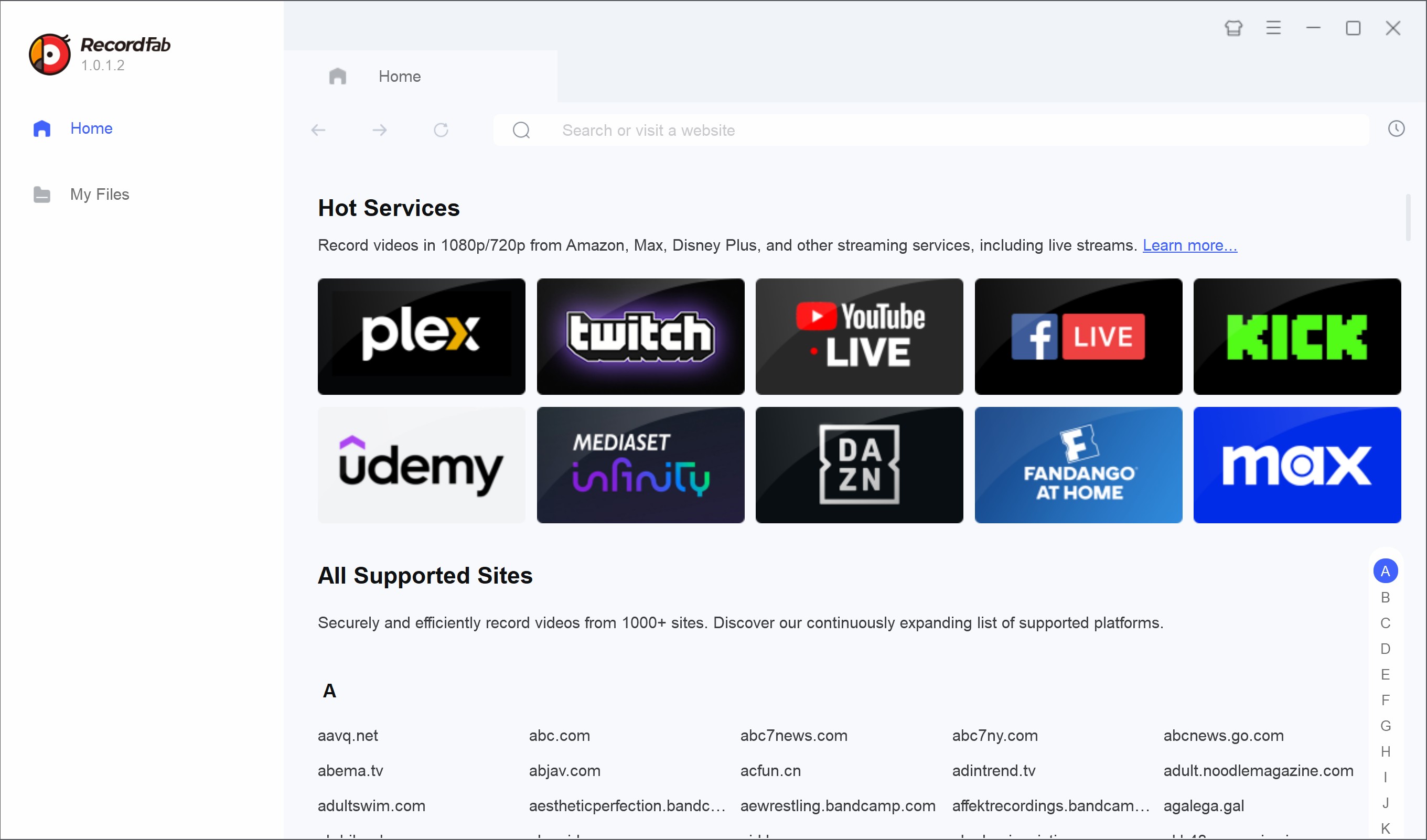
Where supported, RecordFab can record up to 1080p and offers accelerated recording speeds of up to 5x on select sites. I’d consider it when an integrated recording workflow matters more than OBS’s flexibility, not when the goal is simply to capture a one-off clip at no cost.
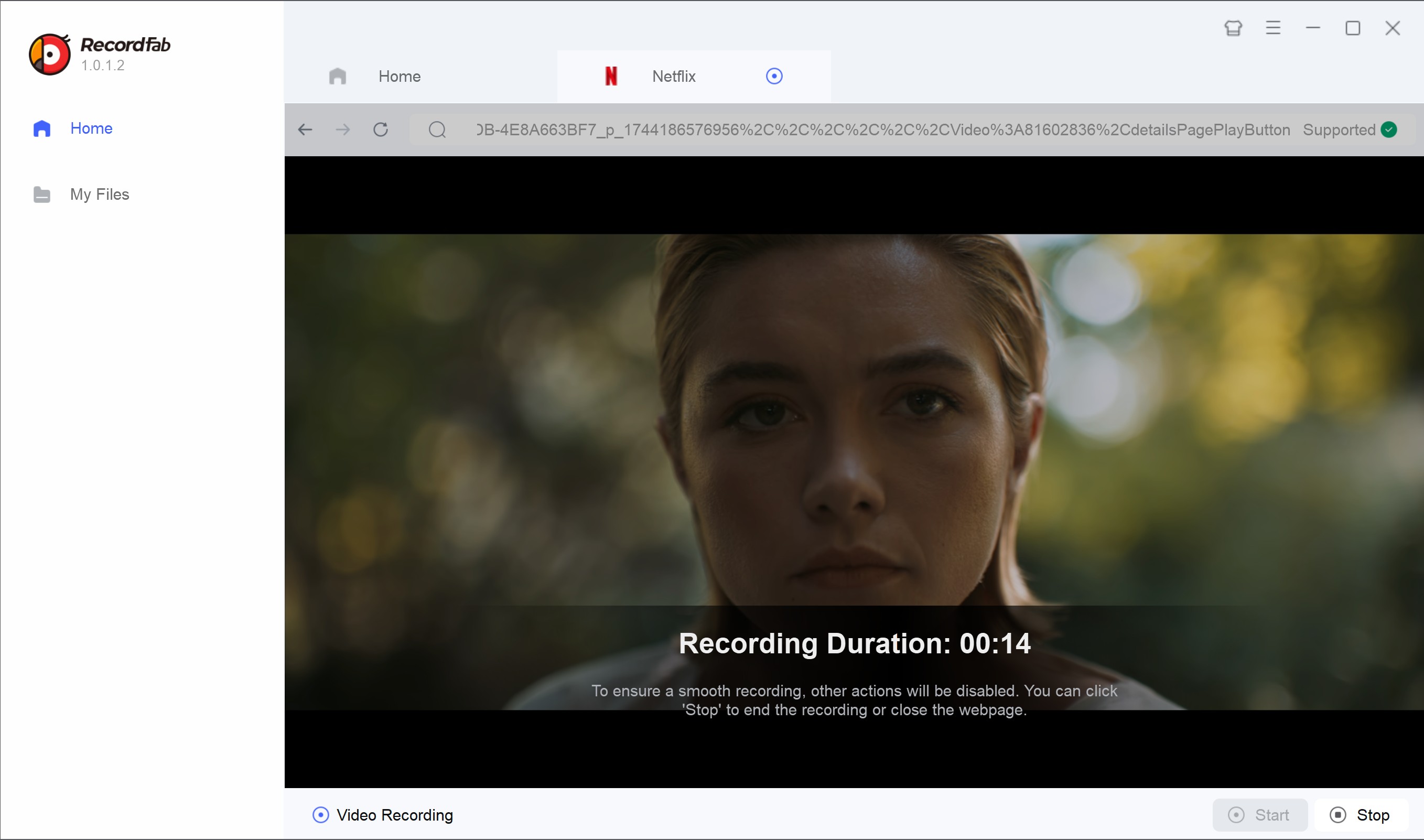
Check out the quick guide below for a much smoother workflow with RecordFab:
Install and launch RecordFab. Use its integrated browser to navigate directly to your desired streaming platform.
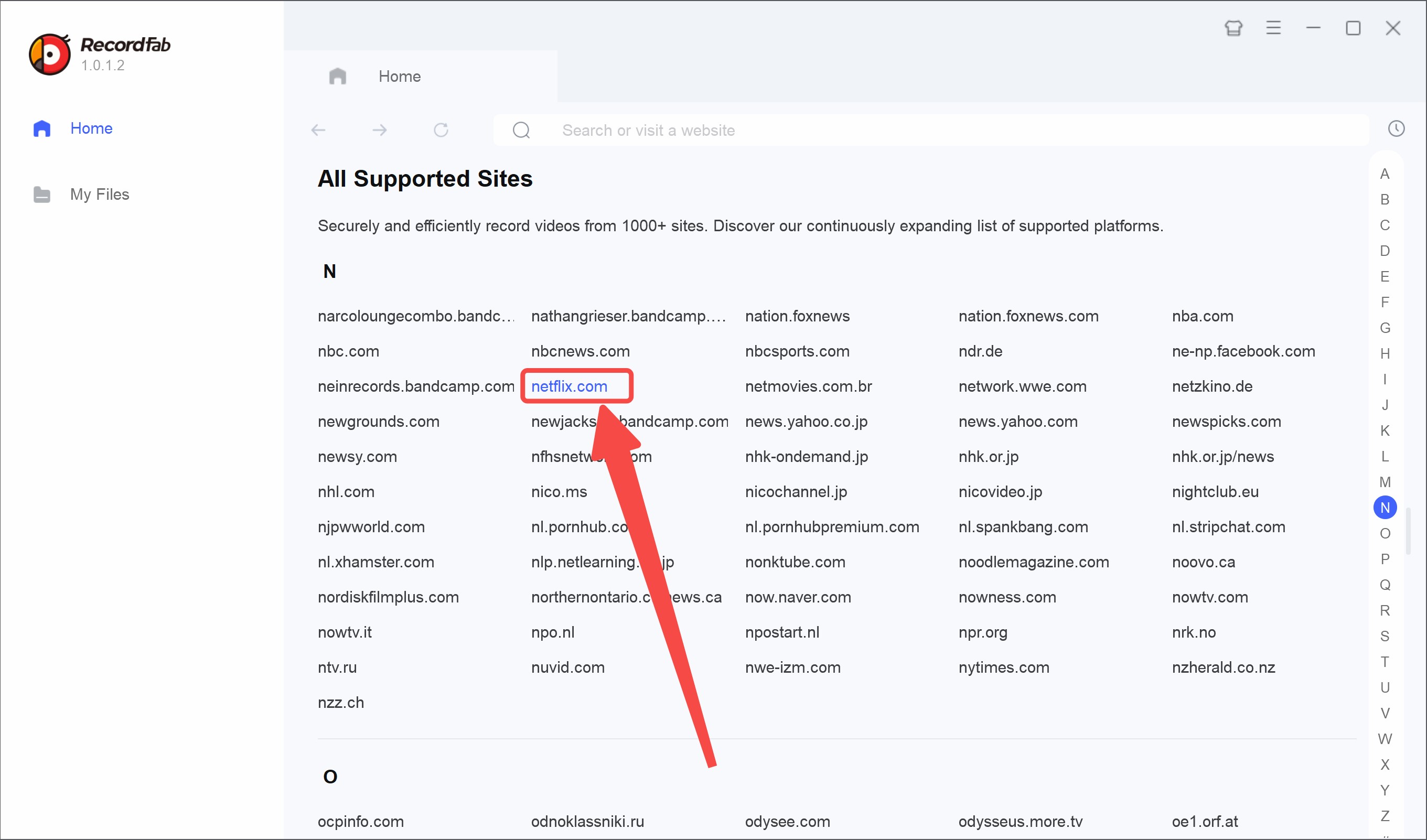
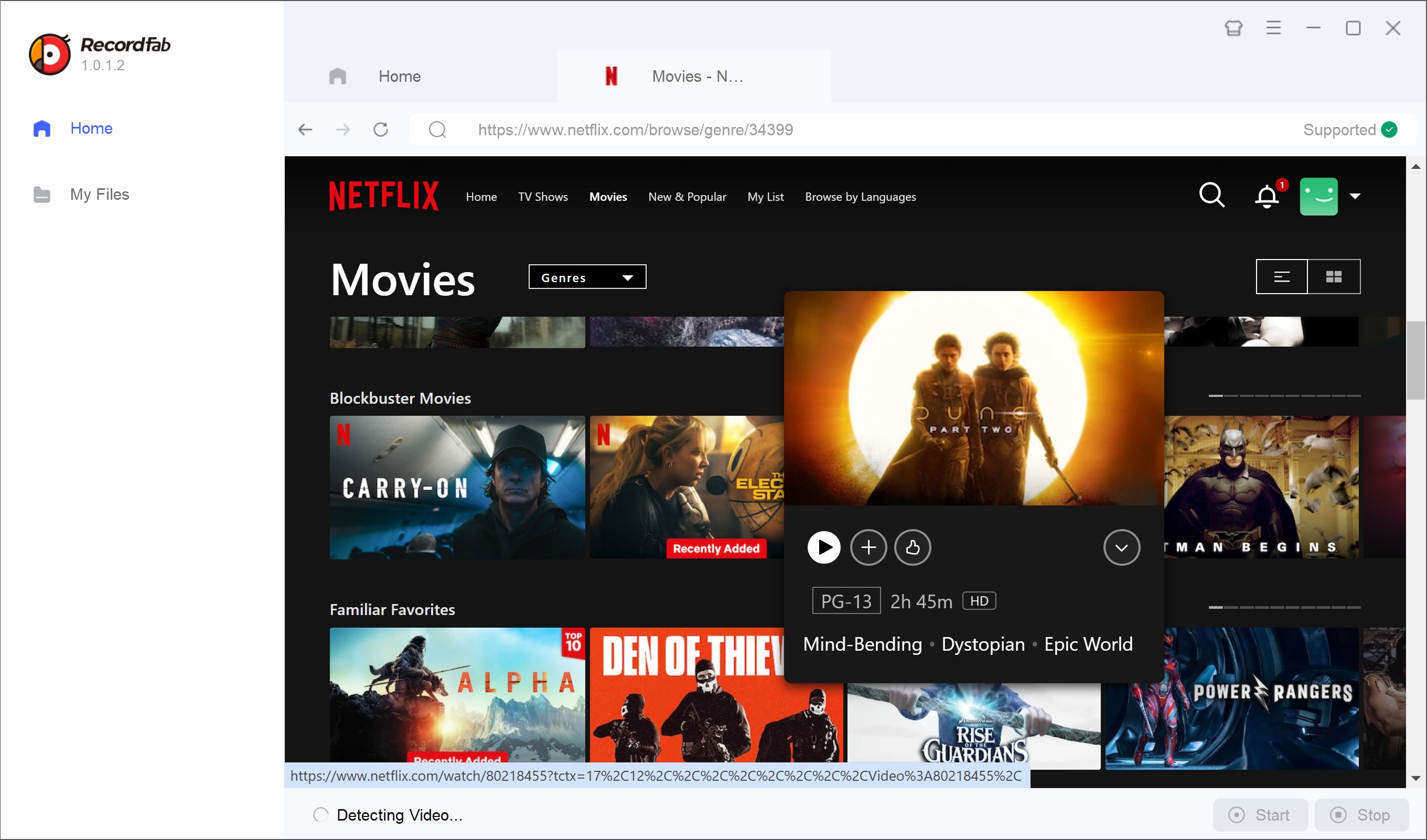
Log into your account and open the content you are authorized to view. RecordFab will automatically detect the video stream for you.
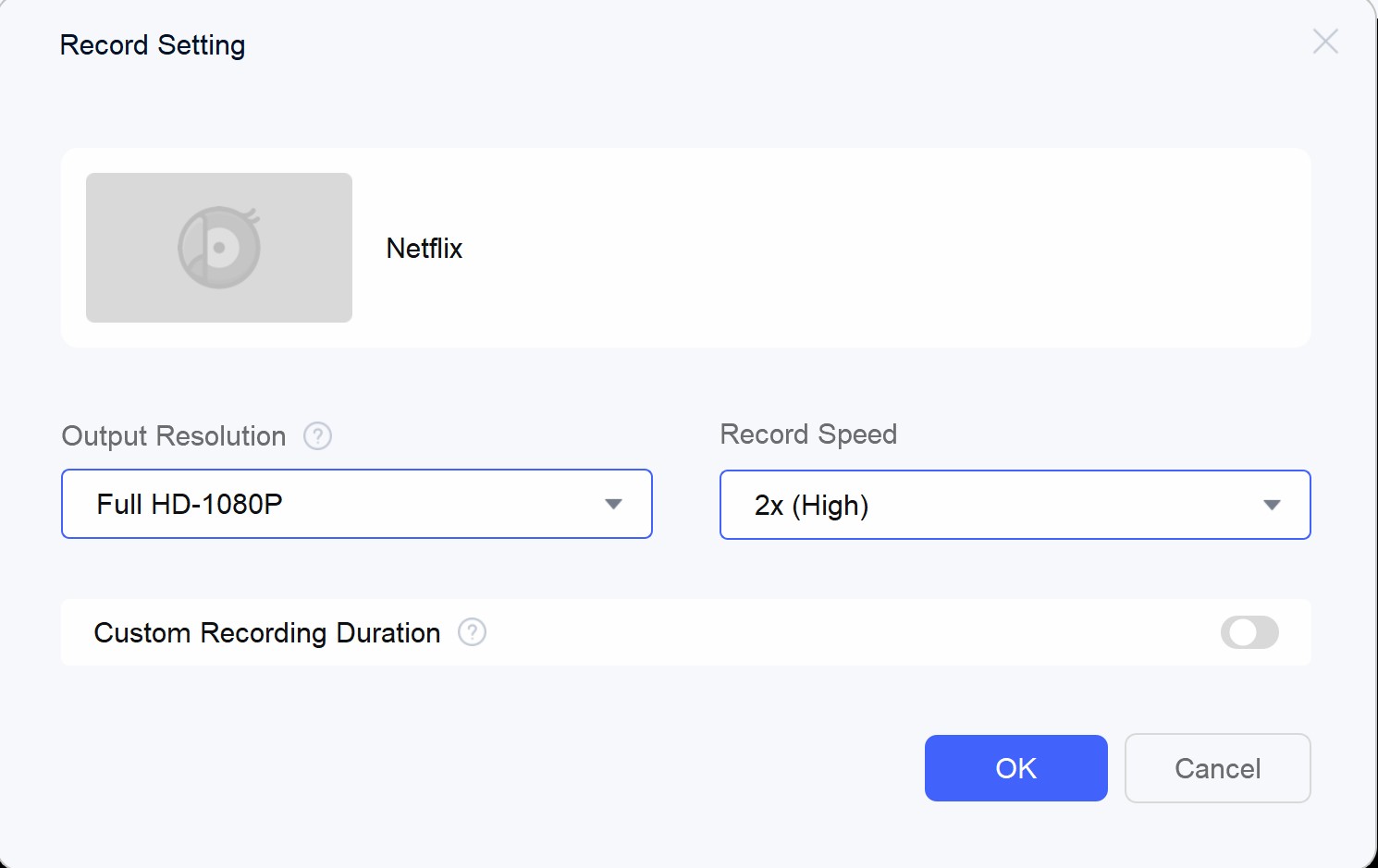
Adjust your recording preferences—like selecting 720p or 1080p resolution and picking your recording speed (up to 5x where applicable)—and click record.
Once the process finishes, navigate to your local library within the app to watch your perfectly synced MP4 file.
OBS, RecordFab, and Local-File Workflows
The main difference is not which option is universally better, but whether you need real-time capture, a recorder with an integrated workflow, or a local file for personal offline viewing under an active subscription.
| Option | Primary workflow | Real-time requirement | Output | Maximum stated quality | Speed | Batch or scheduling | Best fit | Not ideal for | Official U.S. price |
|---|---|---|---|---|---|---|---|---|---|
| OBS Studio | General-purpose screen capture | Yes | MKV, then remux to MP4 if needed | Depends on source and settings | Real time | No built-in title batching | Hands-on desktop capture and troubleshooting | Readers who need unattended or faster workflows | Free |
| RecordFab | Integrated-browser recording | Not always, where accelerated recording is supported | Recorded video file | Up to 1080p | Up to 5x on select sites | Depends on the supported site | Readers who want a paid recording workflow | Free-only use or identical behavior across every setup | $129.99/year; $199.99 lifetime |
| StreamFab Netflix Downloader | Local-file workflow for authorized Netflix titles | No real-time capture | MP4 or MKV | Up to 1080p | Depends on title and environment | Batch and scheduled processing | Personal offline viewing with file-format, audio, and subtitle choices | One-off short clips or readers who do not want paid desktop software | Not listed here |
When a Local-File Workflow Fits Better
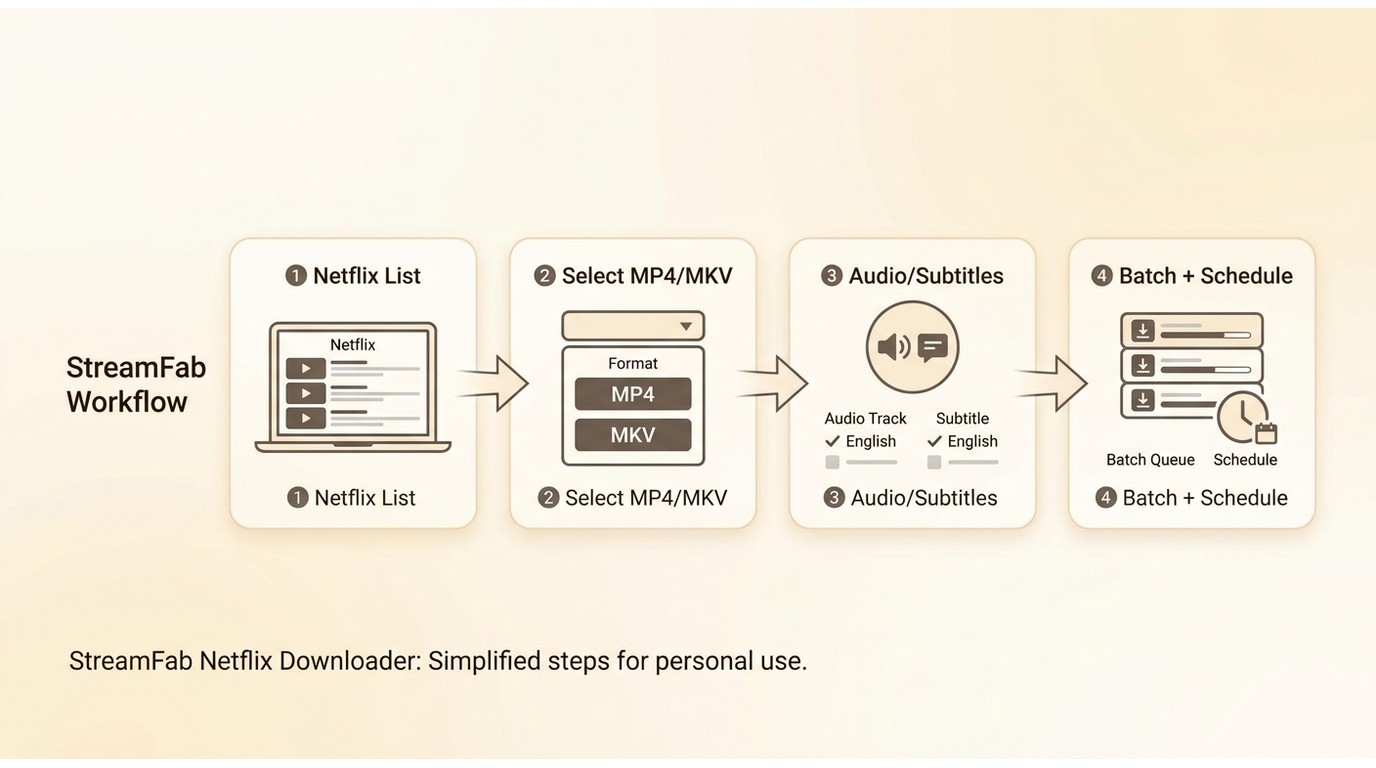
Real-time recording is not always the right fit. For content you’re authorized to access during an active Netflix subscription, and where permitted by platform terms and applicable law, a local-file workflow can suit personal offline viewing when you want to avoid recording each title in real time.
The practical steps vary by setup; the StreamFab workflow instructions explain the desktop process without turning this troubleshooting guide into a product tutorial.
StreamFab Netflix Downloader is separate from Netflix’s official download feature and is designed to save eligible Netflix titles available through a valid subscription for personal offline viewing. It supports up to 1080p output in MP4 or MKV, with audio track and subtitle selection, batch processing, and scheduled tasks. Use remains subject to Netflix’s terms and applicable local rules.

Save eligible Netflix titles available through a valid subscription for personal offline viewing, with up to 1080p output in MP4 or MKV where supported.
- Save a Netflix titles in standard MP4 or MKV output for compatible players
- Up to 1080p with HDR formats where supported
- Audio-track selection, including Dolby Atmos or EAC3 5.1, where available
- Scheduled processing for upcoming Netflix episodes
- Save subtitles and metadata with supported Netflix videos
- Batch processing for multiple Netflix episodes
This option fits readers who value MP4 or MKV output, batch or scheduled processing, and audio or subtitle selection without real-time capture. It is less useful for a short, one-off clip or for anyone who does not want paid desktop software. For a closer look at those trade-offs, the StreamFab Netflix Downloader review covers the product-specific workflow in more detail.
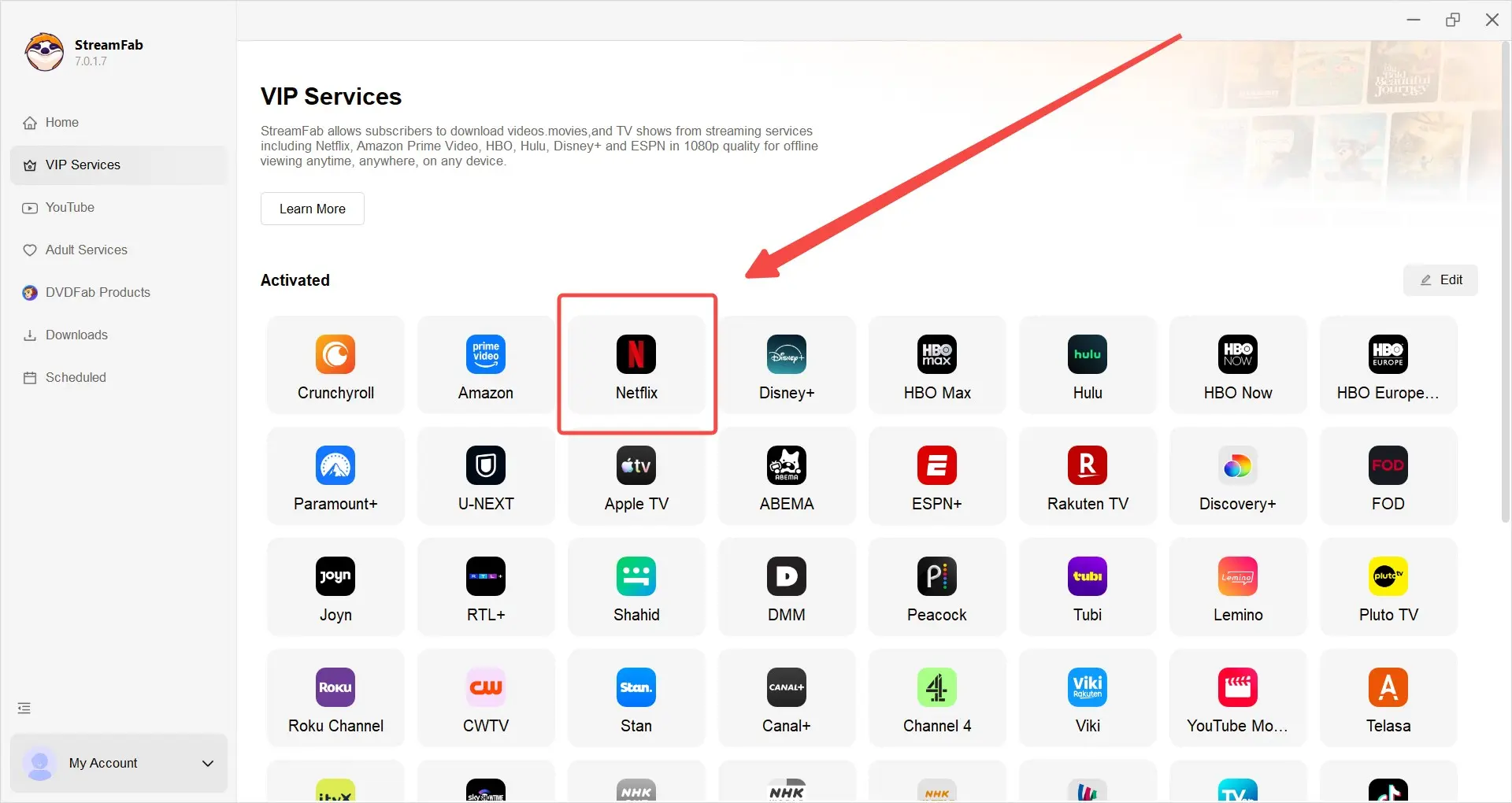
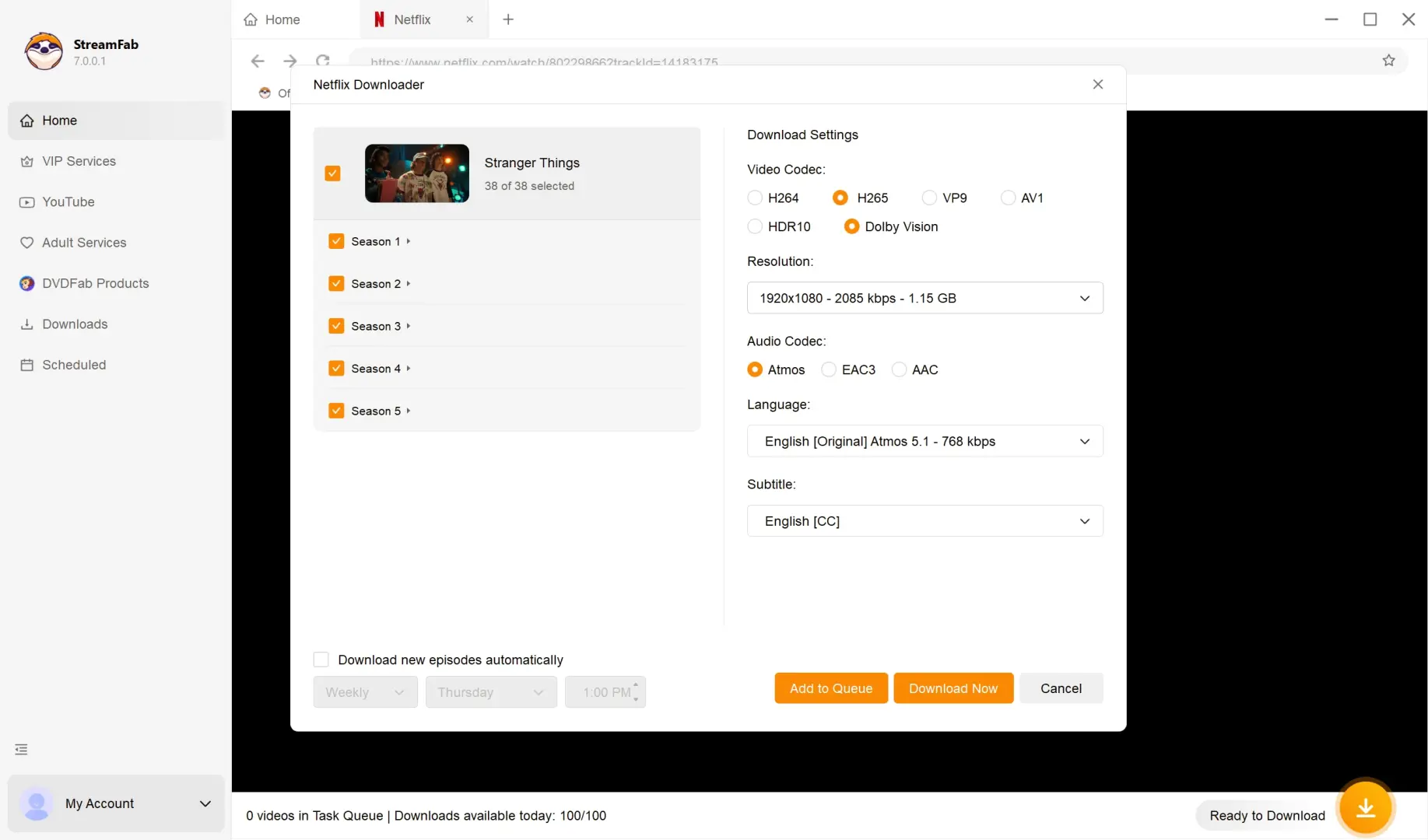
Log into your active U.S. Netflix account using the built-in browser and search for the movie or TV show you want to save.
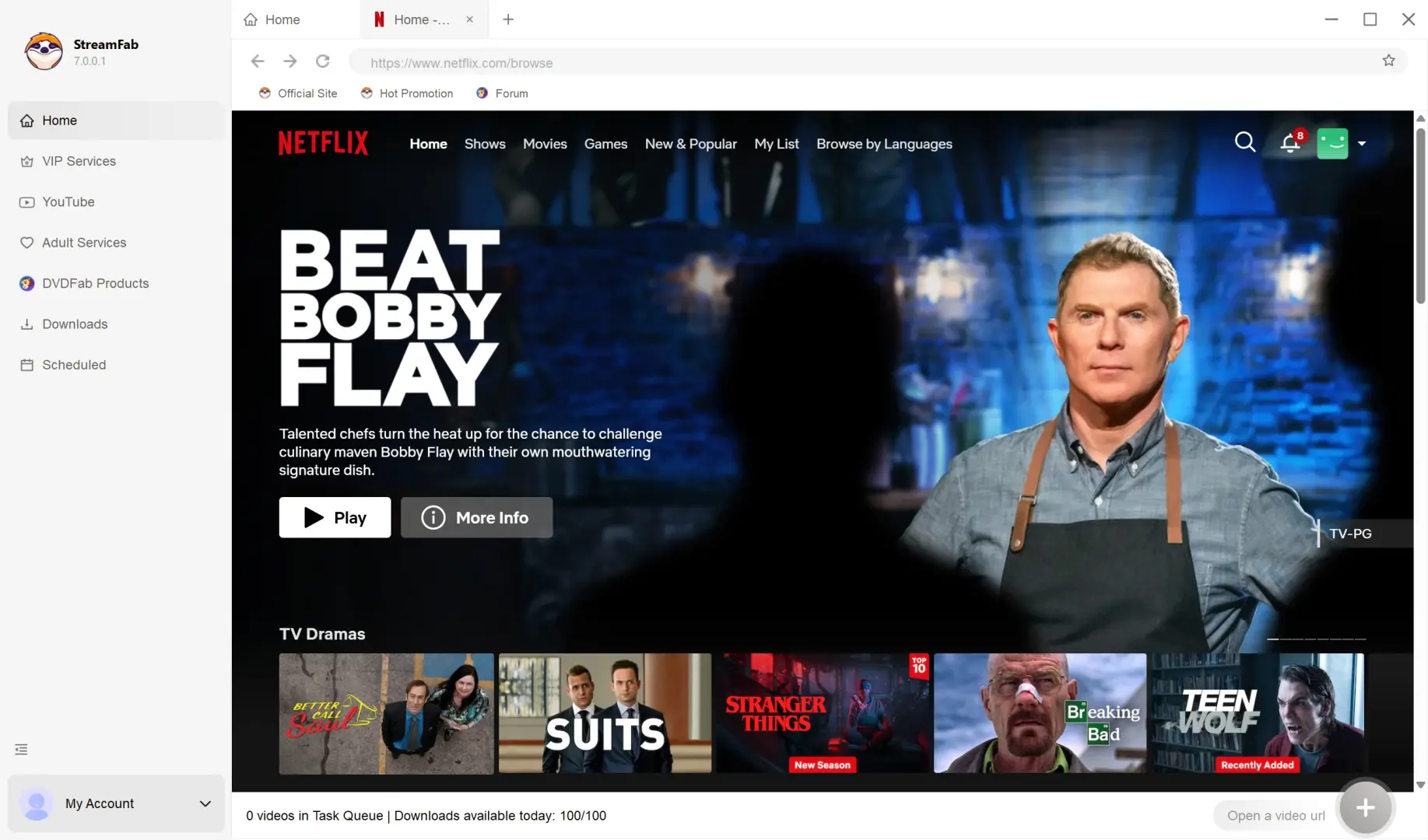
Once you play the video, a prompt will appear. Choose your preferred video quality, audio tracks, and subtitles, then hit "Download Now" to save the file instantly.
FAQs About Recording Netflix with OBS
Netflix’s terms and local copyright rules can affect whether recording is permitted. Personal use, a short clip, commentary, or study does not automatically settle that question. This article is not legal advice; keep any use within the limits that apply to content you are authorized to access, and do not share, upload, distribute, or monetize recorded material.
Netflix does not publish a reliable public method for determining whether a specific OBS capture is detected. There is no useful basis for guessing about undisclosed detection methods or account outcomes, so the practical reference point is Netflix’s terms and the rules that apply where you live.
If Netflix is black before OBS starts recording, treat it as a playback problem rather than an OBS capture problem. Check the device, display connection, graphics driver, browser, or Netflix app using Netflix’s normal playback troubleshooting guidance.
Conclusion: What to Try First
Start by deciding whether Netflix is black during normal playback or only in OBS. Then test the correct OBS source and GPU or permission path, use graphics acceleration only as a reversible short test, and confirm audio and output before making a longer recording. My practical view is that this order saves time: choose a recorder or local-file workflow only when protected playback or real-time capture no longer matches what you need while keeping use limited to authorized content and personal offline viewing where permitted.

StreamFab is intended for personal backup and offline viewing of streaming content available through a valid subscription, subject to platform terms and applicable local rules.
